
 On Sale
 New Products
Delta Lifestyle, Disposable Vape Blogs
How to Choose The Best 510 Battery for THC Carts

May
Most people spend a lot of time researching the cartridge they’re about to buy and almost no time thinking about the battery they’re going to use with it. That’s understandable, cartridges are where the cannabinoids, terpenes, and flavors live – so they naturally get most of the attention. The problem is that even the best cart on the market can underperform when it’s paired with the wrong battery.
Your battery directly affects how much oil is vaporized during each draw of the vape, how well terpenes are preserved, how long the coil inside the cartridge lasts, and ultimately how enjoyable your experience is. That’s especially true with legal hemp-derived formulations such as THCA carts, THC carts, live resin products, and Cannabis Derived Terpene-rich oils. These products are often designed to deliver nuanced flavors and complex cannabinoid profiles that can be diminished by excessive heat and the wrong hardware.
The good news is that choosing the right battery isn’t too complicated. Once you understand a few key concepts (voltage, preheat functions, battery capacity, and build quality) you’ll be able to get significantly more performance from every cart you buy. Let’s explore how to choose the very best 510 battery for your hemp-derived THC cartridges.
What Is a 510 Battery?
If you’ve spent any time shopping for cartridges or vape hardware, you’ve almost certainly encountered the term “510 battery.” The name refers to the threading connection used by most modern cartridges and batteries. Over time, 510 threading has become the industry standard, allowing consumers to mix and match compatible cartridges and batteries from a wide range of manufacturers.
The “510” in 510 battery refers to the threading used to connect a cartridge to a battery. More specifically, it describes a connection with 10 threads at 0.5 millimeters, though most consumers never need to think about those technical details.
For hemp-derived products, that’s good news. Most Delta Extrax cartridges, THCA carts, THCP carts, and Delta-9 carts are designed around the 510 standard, meaning they’ll physically connect to the majority of batteries on the market. Compatibility, however, doesn’t necessarily guarantee optimal performance.
A battery that simply fits your cart isn’t always the best battery for your cart. Premium oils often benefit from precise voltage control, consistent power output, and features such as preheating that aren’t available on many entry-level devices. That’s why experienced vapers tend to focus less on whether a battery fits and more on how well it works.
When attaching a cartridge, thread it onto the battery until it feels secure but avoid overtightening. Applying too much pressure can damage your cart or battery by interfering with airflow, damage connection points, or cause firing issues over time. Keeping the connection clean is equally important, as small amounts of residue can prevent proper contact between the battery and cartridge.
Why Your 510 Battery Matters
The battery is mostly responsible for one important thing: delivering power to the heating element inside your cartridge. However, the amount of power, and how that power is delivered, has a direct impact on nearly every aspect of the vaping experience. When voltage increases, the heating element gets hotter. More heat generally produces more vapor, but it also consumes oil faster and can place additional stress on both the cartridge and its internal coil.
This becomes particularly important with terpene-rich oils. Many people may assume that higher temperatures automatically produce a better experience because they create larger clouds. In reality, some of the most desirable compounds in a cartridge are relatively sensitive to heat. Running a cart hotter than necessary can mute flavors, diminish terpene expression and cannabinoid effectiveness, and shorten the lifespan of the cartridge without providing any meaningful benefit.
Battery choice also affects consistency. A quality battery delivers stable power throughout the charge cycle, helping each draw feel similar to the last. Cheaper batteries often fluctuate as the power fades, creating inconsistent vapor production and a less predictable experience overall. That’s why experienced THC vapers often view their battery as a worthy investment rather than just an accessory or an additional cost.
Variable Voltage: The Most Important Feature
If you’re only going to pay attention to one battery feature, make it variable voltage. Batteries with variable voltage give you complete control over how much power reaches the heating element inside your cartridge. Instead of being locked into a single temperature range, you can adjust performance based on the type of oil you’re using and the experience you’re trying to achieve.
Generally speaking, lower voltage settings prioritize flavor while higher voltage settings prioritize potency and vapor production. This distinction becomes particularly important when using live resin, CDT-rich formulations, HTE blends, and other premium oils where terpene preservation matters. Many of these products perform best at surprisingly low settings, allowing the cannabinoids and terpenes to vaporize gradually without being exposed to excessive heat.
Consumers often make the mistake of immediately turning a battery to its highest setting because larger clouds seem desirable. While higher voltage certainly produces more vapor, it can also consume oil faster, mute flavor, and create a harsher overall experience. For most premium hemp-derived carts, starting low and increasing gradually if desired is almost always the better approach.
Voltage Guide for THC Carts
| Voltage Range | Recommended Use |
| 1.8–2.0V | Maximum flavor and terpene preservation |
| 2.0–2.4V | Balanced flavor and vapor production |
| 2.4–2.8V | Larger clouds and increased vapor output |
| 3.0V+ | Generally unnecessary for premium hemp-derived oils |
What Is a Preheat Function?
If you’re shopping for a quality 510 battery, another thing worth paying attention to is a preheat function. While it may seem like a minor convenience feature, it can make a noticeable difference when using thicker oils.
A preheat cycle gently warms the oil inside the cartridge before you take a draw. This helps improve oil flow and allows the wick to become properly saturated before the heating element reaches full operating temperature. For thinner distillates, preheating may not be necessary very often. For high-viscosity formulations such as live resin, THCA carts, HTE blends, and CDT-rich oils, however, it can significantly improve performance.
Preheating becomes particularly useful during colder months or in colder locations. Oil naturally becomes thicker as temperatures drop, making it more difficult for the cartridge to wick efficiently. A quick preheat cycle can help restore normal flow and reduce the likelihood of weak vapor production or dry hits. While preheating should not be used before every draw, it can be an excellent troubleshooting tool when a cart feels sluggish or underpowered.
Think of it like honey. At room temperature, honey pours and spreads relatively easily. Leave it in a cold garage overnight and it becomes thick, slow-moving, and much harder to work with. Vape oil behaves similarly. As temperatures drop, thick formulations like live resin, THCA, HTE, and CDT-rich oils become more viscous and move through the cartridge more slowly. A preheat cycle gently warms the oil before use, helping it flow more freely and reach the heating element more consistently.
510 Battery Capacity (mAh): What It Actually Means
Battery manufacturers often advertise capacity using a measurement called milliamp hours, or mAh. In simple terms, this number represents how much energy the battery can store before needing to be recharged.
A higher mAh rating generally means longer battery life between charges. A 900mAh battery will typically last longer than a 350mAh battery, assuming both are being used in similar ways. What many consumers don’t realize, however, is that battery capacity is often less important than voltage control and overall build quality.
For most users, a battery in the 350mAh to 650mAh range provides more than enough capacity for everyday use. Unless you’re constantly using your battery throughout the day, you’ll likely recharge it long before capacity becomes a limitation. Consistent voltage output, reliable electronics, and quality construction tend to have a much larger impact on performance than capacity alone.
Battery Capacity Guide
| Capacity | Best For |
| Under 350mAh | Occasional use |
| 350–650mAh | Most consumers |
| 650mAh+ | Heavy daily use |
The introduction of USB-C charging has also made capacity somewhat less important than it once was. Many modern batteries can be recharged quickly, making convenience and performance more valuable than simply having the largest battery possible.
Button-Activated vs. Draw-Activated Batteries
One of the first decisions you’ll encounter when shopping for a 510 battery is whether to choose a button-activated or draw-activated device. Both styles have their advantages, and the right choice often comes down to personal preference.
Draw-activated batteries are designed for simplicity. You inhale through the cartridge and the battery automatically activates. There are no buttons to press and very little setup required. For new consumers or those looking for a straightforward experience, draw-activated devices are often appealing because they closely resemble the convenience of disposable THC or nicotine vapes.
Button-activated batteries offer more control. Most variable-voltage batteries fall into this category because the button allows users to adjust settings, activate preheat modes, and control exactly when the heating element begins working. While they require a slight learning curve, button-activated devices are generally preferred by experienced vapers who regularly use premium carts and want more control over performance.
Draw-Activated vs. Button-Activated
| Feature | Draw-Activated | Button-Activated |
| Ease of Use | Excellent | Good |
| Voltage Control | Limited | Excellent |
| Preheat Functions | Sometimes | Common |
| Customization | Limited | High |
| Beginner Friendly | Excellent | Good |
For consumers using live resin, CDT, THCA, or THCP carts regularly, button-activated batteries often provide a better overall experience because they allow for more precise voltage management.
Why You Shouldn’t Buy a Cheap 510 Battery
Not all batteries are created equally, even when they look similar from the outside. Many low-cost batteries rely on cheap internal components that struggle to deliver consistent voltage output. A battery may advertise a specific voltage setting, but the actual power reaching the cartridge can fluctuate significantly. This inconsistency often leads to uneven vapor production, changing flavor profiles, and a generally unpredictable experience.
Threading quality is another common issue. Poorly manufactured threads can wear out quickly or fail to establish reliable connections with cartridges. Consumers often assume their cart is defective when the real problem is the battery connection itself.
Battery management systems also matter more than many people realize. Quality batteries regulate power effectively throughout the charge cycle, while cheaper devices may produce weaker and weaker draws as the battery level drops. This inconsistency can make it difficult to accurately evaluate a cartridge’s performance.
For consumers who regularly purchase premium THC cartridges, spending a little more on a quality battery is often one of the best upgrades available and can actually save them significant money over the long-term.
What Should You Spend?
| Price Range | What to Expect |
| Under $10 | Basic functionality, limited features |
| $15–25 | Reliable performance and good value |
| $25–40+ | Premium features, voltage precision, better build quality |
Recommended Voltage Settings for Delta Extrax Carts
Different formulations perform best at different voltage ranges. While personal preference always plays a role, these starting points can help maximize flavor, terpene preservation, and overall performance.
| Product Type | Recommended Voltage |
| Adios MF 2g Carts | 1.8–2.0V |
| THCA CDT Carts | 1.8–2.2V |
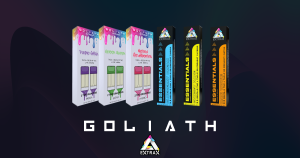
| Goliath Carts | 2.0–2.4V |
| Delta-9 Distillate Carts | 2.2–2.6V |
For products like the Adios MF collection that feature rich terpene profiles and premium extracts, lower voltage settings typically provide the best experience. Starting around 1.8V allows consumers to experience more of the intended flavor profile while reducing unnecessary stress on the cartridge.
Distillate-focused products can often tolerate slightly higher voltage settings because flavor preservation is generally less sensitive to heat. Even then, it’s usually wise to start low and increase gradually rather than immediately using the highest available setting.
Common 510 Battery Mistakes
Many cartridge performance issues can be traced back to a handful of common battery mistakes.
- Running voltage too high: This is easily the most common. While large vapor clouds can be appealing, excessive voltage often sacrifices flavor, consumes oil more quickly, and shortens cartridge lifespan.
- Failing to use the preheat function: This is another frequent issue. Thick oils may struggle to wick properly if they’re cold, resulting in weak vapor production or inconsistent performance.
- Overtightening cartridges: This can cause serious problems. Many consumers instinctively crank a cart down as tightly as possible, which can damage connection points or restrict airflow. A gentle, snug connection is all that’s required.
- Charging habits: Using damaged charging cables, exposing batteries to excessive heat, or leaving devices connected to chargers unnecessarily can reduce overall battery longevity.
Troubleshooting Common Battery and Cartridge Issues
Even quality hardware occasionally experiences issues. Fortunately, many problems are easy to diagnose.
Cart Not Firing
If a cartridge isn’t producing vapor, start by confirming the battery has sufficient charge. Next, check the connection point for residue or debris that may interfere with conductivity. Finally, ensure the cartridge is threaded correctly and making proper contact with the battery.
Battery Connection Errors
Connection issues are often caused by dirty contacts, overtightened cartridges, or slight manufacturing variances between hardware components. Cleaning both connection points with a cotton swab can often resolve the issue.
Weak Vapor Production
Weak vapor may indicate that the voltage is set too low, the battery is nearly depleted, or the oil requires a brief preheat cycle. If temperatures are cold, allowing the cartridge to warm slightly can also help.
Burnt Taste
A burnt flavor is usually a sign that the voltage is too high, the cartridge has been over-vaped without allowing time for oil to re-saturate the wick, or the coil has been damaged through excessive heat exposure.
Conclusion
Choosing a 510 battery isn’t as simple as buying the first or cheapest option available. The battery directly influences flavor, vapor production, oil consumption, terpene preservation, and cartridge longevity. For consumers using premium hemp-derived products, those differences become even more noticeable.
A quality variable-voltage battery gives you the ability to tailor performance to the specific oil you’re using. Combined with features such as preheating, reliable power delivery, and solid build quality, the right battery can dramatically improve your overall vaping experience.
If you’re investing in premium cartridges, it’s worth investing in the hardware that powers them.
Frequently Asked Questions
What voltage should I use for THCA carts?
For live resin and CDT-based THCA formulations like the Adios MF 2g cart, start at 1.8–2.0V. These oils are terpene-rich and high-viscosity, so lower voltage settings help preserve flavor while promoting consistent wicking. Increase voltage only if vapor production is insufficient at lower settings.
Can I use any 510 battery with Delta Extrax carts?
Any 510-thread battery will connect to a Delta Extrax cart mechanically. Performance is another matter. Variable-voltage batteries that allow adjustments within the 1.8–2.4V range generally provide the best results for premium hemp-derived oils.
Why does my cart taste burnt even on a new battery?
The most common causes are excessive voltage, insufficient time between draws, or improper storage. Try lowering voltage, waiting longer between pulls, and ensuring the cartridge has been stored upright at room temperature.
How do I know if my battery is causing poor performance?
Signs include inconsistent vapor production, fluctuating performance between draws, excessive battery heat, or a cartridge that performs noticeably better when attached to a different battery.
Does a higher mAh battery last longer?
Yes. Larger capacity batteries generally provide more usage between charges. However, voltage consistency, build quality, and reliable electronics usually have a greater impact on overall performance than capacity alone.
These products contain hemp-derived cannabinoids. Keep out of reach of children. Do not drive or operate machinery while impaired. Consult a healthcare professional before use if you have a medical condition, are pregnant, or are taking medications. Products are intended for adults of legal age only.
